
What goes wrong with paint and plaster
- An owner on site for every job
- Sample boards you approve before we begin
- Five-year workmanship guarantee
Cracks, bubbles, peeling, chalky dust, and lines you cannot unsee. Every one has a cause, and every cause can be prevented.
Talk with Greg or Gabriel now, until 10 p.m. Text us any time. Greg or Gabriel will reply first thing in the morning.
Why do plaster and paint crack, bubble, or peel?
Almost always because of the work, not the finish: a wall that was never properly prepared, the wrong primer for the surface, a coat rushed before the one beneath it cured, or hands still learning on your wall. Each one is preventable, and preventing them is what a professional is for.
When a finish fails
These are other people’s walls, from public-domain archives. Under each: why it happens, and how we keep it off yours.
-
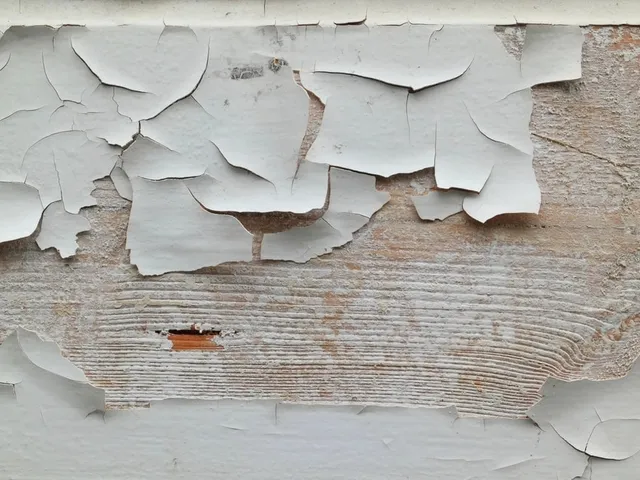
Paint curling away from the wall beneath it CC0 photo: rawpixel Peeling
Paint that never truly gripped, laid over dust, grease, a glossy coat, or a patch that was still damp.
How we prevent itWe clean, repair, and prime every surface for what it is and for the finish it will carry.
-
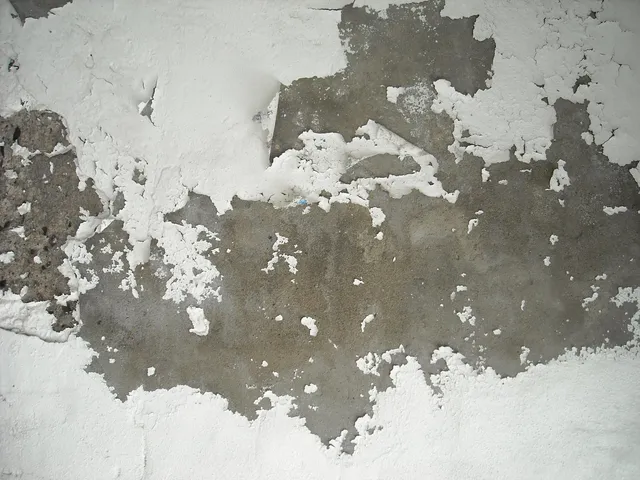
A coat letting go of the wall in sheets Public domain photo: Georges Grondin, via Wikimedia Commons Delamination
A coat that never bonded to the layer beneath it, because the two were never meant to meet. It lets go in sheets, sometimes years later.
How we prevent itWe learn what is already on your wall before we choose what goes over it, and prime so the two hold together.
-
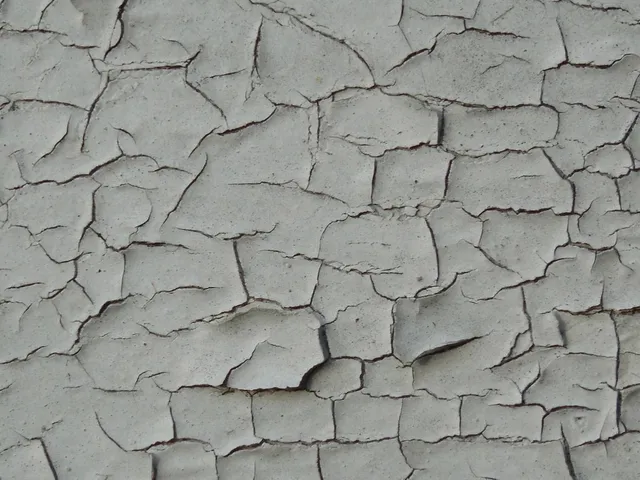
A coat crazed with cracks from edge to edge CC0 photo: rawpixel Cracking
Coats laid on too thick, dried too fast, or put over a coat that had not cured, and cracks in the wall underneath showing through.
How we prevent itWe repair the wall and skim it smooth first, then build thin coats, each one left to cure before the next.
-
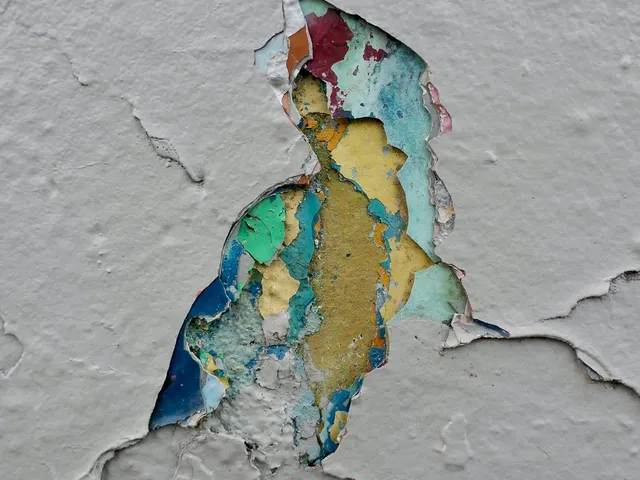
One chip, and every layer beneath it shows Public domain photo: Jens Rost, via Flickr Chipping
A thin, brittle edge, or a finish left unprotected where hands, chairs, and vacuums meet the wall.
How we prevent itCorners and edges get the same care as the middle of the wall, and the places that take wear are waxed or sealed.
Flaws you notice in the light
Smaller, more common, and plain to see when low light crosses the wall.
-
Bubbles and blisters
Clay or paint over the wrong primer, or over a damp patch.
We prime for the finish and let every patch dry.
-
Chalky dust
Limewash that dried before it could cure, so the powder never stops.
Every coat we lay gets time to cure, not just to dry.
-
Lines and lap marks
Strokes laid over an edge already drying, or a wall stopped halfway.
A trained hand keeps the edge wet, corner to corner.
-
Blotches and a pattern that repeats
Uneven priming, or an untrained hand repeating one motion.
You approve the movement on a sample board first.
-
Sloppy edges and corners
Paint on the ceiling and trim, wavering lines, and lumpy corners.
Our lines are crisp, and corners get the same care as the wall.
Your wall is never a training ground
Many companies train new hires on a client’s wall, and some owners try new finishes there too. We never do: experiments stay on sample boards in our workshop, and Greg or Gabriel is on site for every job, beside a few skilled, trained employees.
Greg studied art and engineering, then spent years as a photographer: he knows why a finish lasts, and how it should look in your light.
What our guarantee is really about
Every project carries a five-year workmanship guarantee. A guarantee is only as good as the work behind it, so we prepare, prime, and cure every wall to make sure you never need it.
Questions about problems with paint and plaster
Is a little dust normal on new limewash?
Not if it keeps coming. Limewash that leaves powder on your hand week after week dried before it could cure, and the loose layer has to come off before the wall can be recoated properly.
Why is my Roman clay bubbling?
Usually because it went over the wrong primer, or over a patch that was still damp, and air or moisture is pushing the coat up. Bubbles that dry in place do not settle back down; the area has to be repaired and refinished.
How can I tell if a finisher is trained?
Ask three things: who will actually be on your wall, when they last did this finish, and whether you can see it first on a sample board made for your room. A trained finisher answers all three without hesitating.
Show us the wall you are worried about
Greg or Gabriel replies today, or by the next business day.
Prefer to talk? Call or text (317) 795-6378.
Thank you
What happens next
- We reply today, or by the next business day at the latest, to check your dates and set a time for our visit.
- We visit with samples in the colors and textures you like.
- You receive one fixed quote, in writing.
Before we visit, gather two or three photographs of looks you love, and keep any fabric, tile, or stone you want us to match nearby.
To speed things up, text us a photo of the space.
Greg and Gabriel