
The Turn: signature dark mineral colors that move with the light
Thirty colors led by six Signature Darks: the world’s first limewash and plaster collection built around its darks.
What is The Turn collection?
The Turn is the world’s first limewash and plaster collection built around its darks: thirty colors by Wall Magicians, for limewash, plaster, and paint, presented at Design Chicago 2026. Made for 2027's trends and the lasting principles of architectural color, it is led by six Signature Darks, and every color turns with the light.

The discipline behind the feeling
-
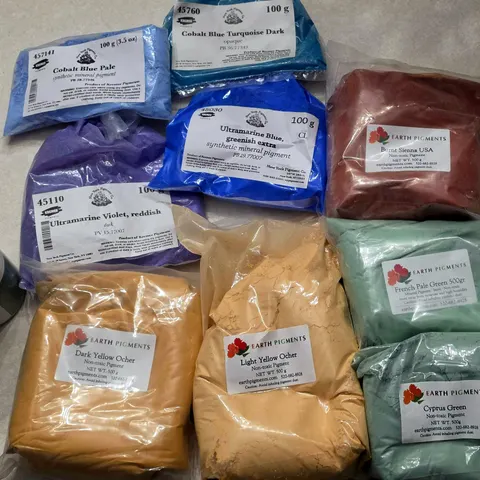
500+ raw pigments explored -

200+ chosen for our working library -
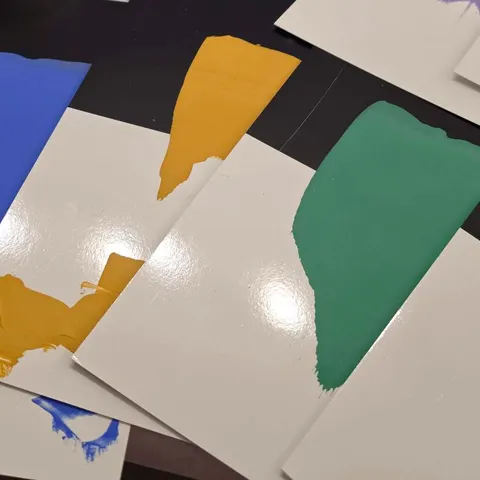
4,000+ of the world’s most loved colors studied side by side
Built on more than two decades of published research into how color is seen and felt. Your room makes the final decision.
The Signature Darks
Six depths with distinct temperaments: oxblood, subterranean ink, dark water, prairie violet, mineral slate, and river blue. None is just one color: each turns in hue from morning to night.
- Rookery
Velvet oxblood
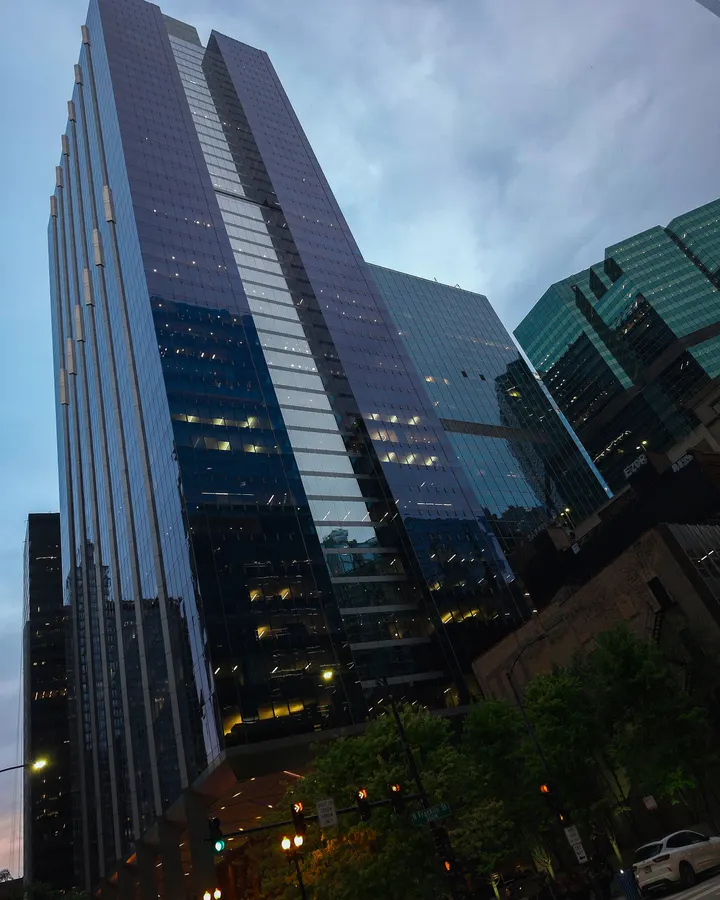
The Rookery opens a weighty red exterior into a luminous, gilded light court. This velvet oxblood carries the same invitation: a rich burgundy that shows notes of aubergine in warm light, giving darkness an intimate center. Envelop a dining salon or library.
- Deep Tunnel
Violet ink
Named for Chicago’s immense underground tunnels, this violet-blue ink gives darkness architectural weight. Cool daylight makes its hidden color easier to find; evening light gathers the surface into a close, enveloping hush. Take it into a private study.
- November Lake
Water-dark gray-green
When the lakefront empties, Lake Michigan becomes a vast plane of green, slate, and weather. This restrained gray-green draws that breadth indoors, letting blue and green trade places as the light changes. Give it a generous salon wall.
- Liatris
Prairie violet
The upright purple flowers of prairie blazing star become something more private here: violet folded into dusk. Its violet is meant to stay quietly legible into lamplight, giving a bedroom the closeness of velvet and a music room the composure of a jewel box.
- Chameleon Slate
Mineral blue-violet
Slate’s layered grain meets the blue-violet interval between Chicago’s lake and sky. A mobile, mineral dark, it reveals different undertones as the light changes, then settles softly beneath warm lamps. Carry it across a curved wall or a long gallery.
- Wolf Point
River steel blue
At the meeting of the river’s branches, glass, steel, and moving water borrow one another’s blue. Wolf Point makes that a disciplined dark with a distinctly blue heart: daylight opens its steel note; warm lamps draw it closer. Give it a whole study.
In each other’s light
Every dark leads lighter colors, related by depth and undertone.
-
Wine into warm stone
- Rookery
- Ember
- Joe Pye
- Lannon
- Athens Marble
Rookery opens through two related roses, then turns toward blushed stone. Let a Lannon entrance frame the wine-dark room beyond, with Athens Marble on a shared ceiling.
-
Violet into bloom
- Liatris
- Ember
- Joe Pye
- Lurie Aster
- Prairie White
From violet through red rose into pale petals and ivory. Give the fullest color to the most intimate room, then let a pale landing provide the release.
-
Indigo into frost
- Deep Tunnel
- Chameleon Slate
- Breakwater
- North Window
- Ice Lily Pad
Violet ink turns through mineral slate into blue and frost. Breakwater bridges the close darks and the pale ceiling, on cabinetry or in an adjoining room.
-
Steel into sky
- Wolf Point
- Breakwater
- North Window
- Ice Lily Pad
A quieter blue family for a tall door, a broad wall, and a luminous ceiling. Seen from the pale room, the dark becomes a frame.
-
The lake, from depth to air
- November Lake
- Carbide Green
- The Hawk
- Montrose Harbor
- Lake Effect
- Ice Lily Pad
Water-dark gray-green passes through patinated green and harbor blue into pale weather, with warm stone or brass as a thread from room to room.
-
The prairie, from leaf to straw
- Bur Oak
- Bluestem
- Switchgrass
- Honey Locust
- Dropseed
- Prairie White
The leafy depths open into Switchgrass, then become gold, straw, and ivory, carrying one family through a garden room and its hall.
-
Stone, from foundation to light
- Calumet
- Ashlar
- Prairie Dock
- Greystone
- Athens Marble
- Lime White
Bronze-brown gives the foundation weight; umber stone rises through a warm middle into limestone and plaster. Made for a chimney breast and the architecture around it.
-
Brick into plaster
- Rookery
- Ember
- Chicago Common
- Lannon
- Athens Marble
- Lime White
Chicago’s warm masonry becomes a procession of rooms: a Rookery salon seen through an Ember threshold, a Lannon hall, and a pale plaster line overhead.
The families that carry them
The weight of the landscape
Canopy, weather, and worked stone. These colors give a room shelter, mass, and the warmth of something rooted.
-
Bur Oak Bronzed leaf green
The region’s oak savannas offer broad crowns, deep roots, and the shelter of old trees. Bur Oak is their bronze-green shadow: daylight reveals its leafy richness, and evening light quiets the green toward bark. Give it a garden library.
-
Carbide Green Cool patinated green
The Carbide and Carbon Building sets green terra cotta beneath a crown of gold. This cool, gray-veiled green is clearest in daylight and gathers depth as lamps warm the materials around it. Line a paneled dressing room with it.
-
Bluestem Dry olive-sage
The tallgrass prairie changes by layers: blue-green stems, olive shadow, then the bronze of approaching winter. Bluestem holds the dry interval between them, generous in daylight and earthier beneath evening lamps. Wrap a garden room in it.
-
Calumet Dark bronze earth
The Calumet landscape holds industry and wetland together: iron, weathered structures, reeds, and dark ground. This deep bronze-brown gathers their weight into a warm shadow whose earthy undertones shift gently as daylight gives way to lamps. Use it on a fireplace breast.
-
Ashlar Dressed umber stone
Ashlar is stone given an exact edge, as in Chicago masonry, where a dressed face meets the shade of its joint. Its dry umber undertone softens in warm light, lending a plain wall the feeling of mass. Use it on piers or a chimney breast.
-
The Hawk Weathered blue-green
Chicago’s winter wind has a name, and this color gives it a surface. A weathered blue-green, unusually expressive as the light changes, The Hawk brings the lake’s restlessness into a room; warm lamps make it more subdued and intimate. Give it a sunlit plaster wall.
Earth, made intimate
Brick, flower, and the late prairie. Warmth passes from rose to clay, then into leaf and straw.
-
Ember Smoldering rose
A city rebuilt after fire knows the smaller comfort of a hearth. Ember holds that warmth in a smoky red-rose deep enough to gather a room around it. Its undertones move readily, and warm lamplight brings a gentle lift. Use it for a dining alcove.
-
Joe Pye Dusty flower rose
At the prairie’s damp edges, Joe-Pye flowers gather in generous, dusky pink heads. This rose remembers their color with the earth still attached: warm, muted, and quietly substantial. Evening lamps can draw a soft bloom from the surface. It is lovely across a bedroom.
-
Chicago Common Buff clay rose
Chicago’s common brick keeps its most tender colors along alleys and courtyard walls: buff, salmon, and the warmth of fired earth. This grounded clay-rose holds a comparatively steady course through the day, with a gentle lift in lamplight. Use it for a welcoming entrance.
-
Prairie Dock Warm seed-head stone
Prairie dock’s broad leaves and tall stems give the landscape structure. This warm stone color remembers the plant’s dry, late-season earthiness: a muted meeting of clay and ochre that relaxes beneath evening lamps. Give it an entrance hall or a sculptural stair.
-
Switchgrass Olive straw
Switchgrass catches the moment when green and straw occupy the same stem: a light olive with enough yellow to receive the sun and enough earth to settle a room. Warm lamps soften its vegetal edge. Use it in a breakfast room or kitchen.
-
Honey Locust Filtered straw gold
Small honey-locust leaves sift city light into a fine, shifting canopy. Their autumn gold becomes a muted, softly grayed straw here. Daylight reveals its golden character; warm lamps ease it into a quieter richness. Use it on the ceiling of a green room.
The light between
Water and weather meet sun-warmed stone and the palest flowers. These are generous colors for the planes we live beside.
-
Breakwater Sheltered slate blue
Beyond Chicago’s harbors, long protective lines divide open water from shelter. Breakwater carries that composure: a slate blue with the body to hold a broad wall and the softness to live beside stone. Warm evening light makes it more reserved. Use it in a bedroom.
-
Montrose Harbor Harbor blue-green
Inside Montrose Harbor, water gathers the sky behind the shelter of the breakwater. This softened blue-green suggests that protected expanse, and it becomes more contained as the lamps come on. Give it a morning room, where warm stone makes its maritime calm feel lived in.
-
Lake Effect Pale lake air
The lake alters Chicago’s light before it alters the weather. Lake Effect is that first change: a pale blue-green, airy but distinctly colored, whose undertones move readily with the light. Warm lamps give it a quieter, water-like depth. Let it fill a tall stairwell.
-
Lannon Blushed building stone
Named for Wisconsin’s building stone, Lannon imagines a pale Great Lakes facade catching low sun: a mineral greige with a definite blush, with more body than ivory and a softer presence than clay. Lamplight can lift its warmth gently. Use it through an entrance.
-
Dropseed Dry prairie gold
Prairie dropseed makes architecture from fine leaves and a haze of seed heads. This pale, dry gold translates their delicacy into a remarkably useful wall color, changing gently through the day and softening toward straw by lamplight. Give it a drawing room.
-
Lurie Aster Petal rose-mauve
The late asters of Lurie Garden set soft flower color against the precision of the skyline. This pale rose-mauve holds petal warmth in a cool, mineral veil. Its turn is quiet, with a little extra bloom beneath warm lamps. Take it into a dressing room.
The architecture of light
Quiet does not mean empty. Limestone gray, mineral cream, and considered whites give every deeper color its setting.
-
Greystone Carved limestone gray
Chicago’s greystones make ceremony from everyday arrival: a stoop, a carved lintel, a deep window reveal. This warm limestone gray lends that dignity to the connecting spaces of a house. Its undertones unfold gently and soften by lamplight. Use it in a stair hall.
-
Athens Marble Rosy mineral cream
Athens Marble was the local name for the Lemont stone of Chicago’s Water Tower. This pale mineral cream remembers its warmth with the faintest rose. Responsive to changing light, it gives wine, green, and bronze-brown a softly illuminated setting. Use it across a generous salon.
-
North Window Silvered blue-gray
A Chicago room looking north receives the sky with a particular softness. North Window gives that cool light a tangible color: a pale blue-gray, more substantial than white, that deepens slightly under warm lamps. Use it across a quiet bedroom.
-
Prairie White Dry mineral ivory
Winter on the prairie leaves a field of bleached stems and low, generous light. Prairie White holds their dry ivory warmth; its undertones stay quietly active and soften further by lamplight. Use it across ceilings, archways, and connecting rooms.
-
Ice Lily Pad Porcelain ice white
Along Lake Michigan, small discs of new ice gather like floating lily pads. Their rims suggest this porcelain-pale white with a breath of blue. One of the collection’s quieter lights, it keeps the upper reaches of a cool room composed. Use it over Deep Tunnel.
-
Lime White Quiet plaster white
Lime White honors the material at the heart of the collection: pale mineral plaster, full of tiny variations that light discovers slowly. It carries a trace of warmth and is meant to stay restful as the richer shades turn. Give it an entire light-filled room.
Eight ways to live with The Turn
Four colors, one architectural feeling.
-
The Rookery Salon
Rookery, Athens Marble, Carbide Green, Honey Locust
Wrap the walls in Rookery; lift the cove with Athens Marble. Carbide Green belongs on a cabinet or doorway. Keep Honey Locust to cloth, with aged gilt catching the light.
-
The Night Garden
Liatris, Dropseed, Lurie Aster, Bluestem
Liatris envelops the bedroom; Dropseed softens the ceiling or full-height drapery. Float Lurie Aster in a niche. Bluestem on joinery gives the floral colors a grounded, vegetal edge.
-
Lakefront Nocturne
Deep Tunnel, Breakwater, Ice Lily Pad, Lannon
Let Deep Tunnel envelop the room. Breakwater articulates a cabinet or secondary wall; Ice Lily Pad opens the ceiling. Lannon in cloth or stone makes the cool depths feel inhabited.
-
The Winter Garden
November Lake, Chicago Common, Athens Marble, Montrose Harbor
Let November Lake lead. Use Chicago Common on an adjoining wall and Athens Marble overhead. Montrose Harbor makes a lighter glimpse beyond a doorway; weathered oak joins the two rooms.
-
Rose & Slate
Chameleon Slate, Lurie Aster, Ember, Prairie White
Chameleon Slate on the walls, Lurie Aster overhead or beyond. Choose Ember for a generous upholstered piece, with Prairie White used sparingly around the architecture. Soft bronze completes the intimacy.
-
The Bronzed Prairie
Bluestem, Dropseed, Calumet, Athens Marble
Bluestem walls meet a generous expanse of Dropseed. Reserve Calumet for a door, recess, or cabinet; Athens Marble releases the ceiling. Oak, dry linen, and bronze carry the landscape indoors.
-
Lake Glass & Claret
Lake Effect, Athens Marble, Rookery, Ember
Lake Effect fills the walls; Athens Marble gives light overhead. Set a Rookery recess inside an Ember surround. Keep the darks concentrated so the pale room retains its breadth.
-
River Steel & Clay
Breakwater, Wolf Point, Athens Marble, Chicago Common
Breakwater forms the field, Wolf Point the joinery, and Athens Marble the ceiling. Chicago Common meets Wolf Point at one focal point; honed stone and walnut make the contrast tactile.
Some dark secrets deserve a room of their own
Commission a color for one house, or a palette with your studio’s signature. Its name and exclusivity are defined with you, and its formulation stays confidential.
Screen colors are indicative; we confirm each one on a sample in your light.
Questions about The Turn
Can The Turn be made in limewash, plaster, and paint?
Yes. All thirty colors are made for limewash and plaster, and for traditional paint too, and each one is confirmed on a sample in the finish you choose.
Can I see the colors in my own room before I decide?
Yes. We bring samples to your design consultation and judge each color with you in your own light, beside your floors, stone, and furniture. Whole-home color design starts at $350, credited toward projects of $3,000 or more.
Which colors suit a small room or a powder room?
The Signature Darks. Carried across the walls and ceiling, Rookery, Deep Tunnel, or Liatris makes a small room or a powder room a jewel box, and whole-home color design carries the story through the rest of the house.
Can I commission a color of my own?
Yes: a color for one house, or a palette carrying a design studio’s signature. Its name, availability, and exclusivity are defined with you; a private record keeps the approved sample for later additions and repairs.
Why are the colors named for Chicago?
They interpret Chicago’s places, plants, and materials, such as the Rookery’s gilded light court, prairie blazing star, and the city’s common brick. The collection was presented at Design Chicago 2026 at The Mart, where designers and fellow color professionals received it with great interest.
Which room in your home is waiting for its color?
Tell us when you use the room and how you want to feel in it.
Prefer to talk? Call or text (317) 795-6378.
Thank you
What happens next
- We reply today, or by the next business day at the latest, to check your dates and set a time for our visit.
- We visit with samples in the colors and textures you like.
- You receive one fixed quote, in writing.
Before we visit, gather two or three photographs of looks you love, and keep any fabric, tile, or stone you want us to match nearby.
To speed things up, text us a photo of the space.
Greg and Gabriel